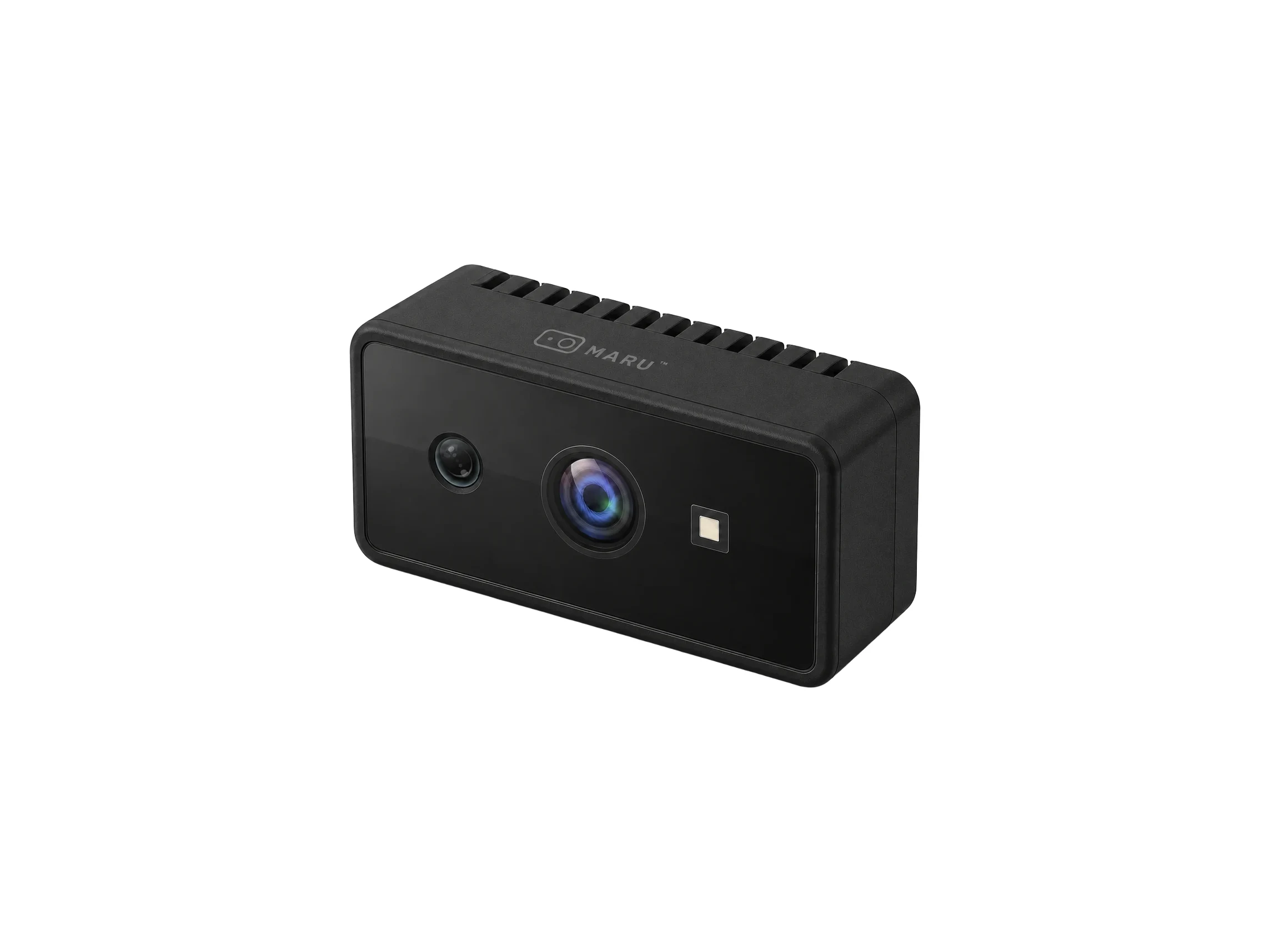
Three-quarter
One sealed housing: ToF emitter, main lens, and IR window behind a single cover glass.
MARU Gen 2 · all-in-one

Optics, edge compute, and I/O in a single sealed housing. One mount, one cable, nothing to assemble on the line.
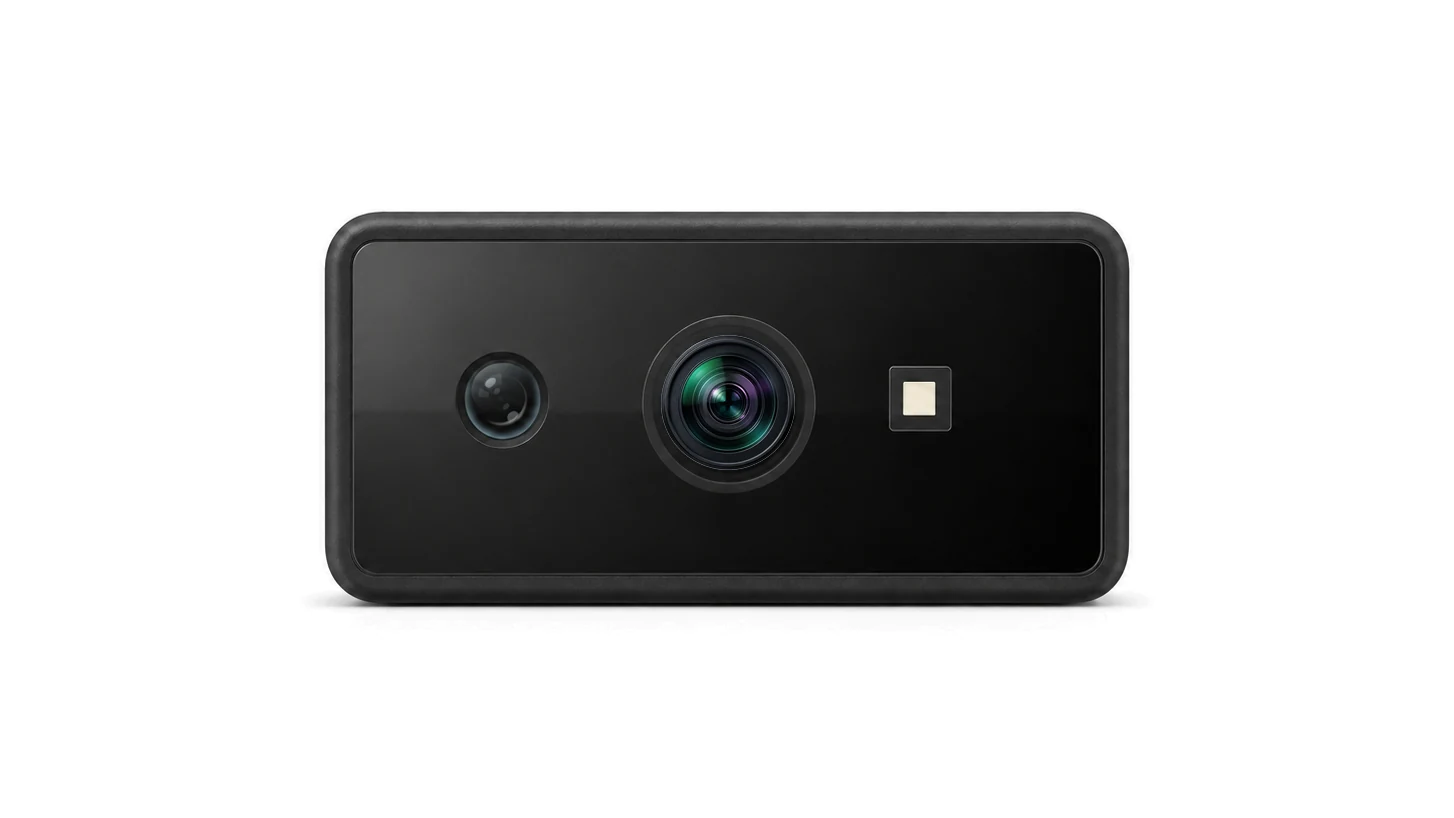
Why integrated
At volume, the expensive part of perception is not the module — it is the wiring, the bracketry, and the hours spent bringing each unit up. ONE removes the assembly step entirely.
The configuration is fixed at build instead of in the field. Everything above the driver is identical to Link and Tower: the same SDK, the same ROS 2 interface, the same factory calibration.
Views
One sealed housing: ToF emitter, main lens, and IR window behind a single cover glass.
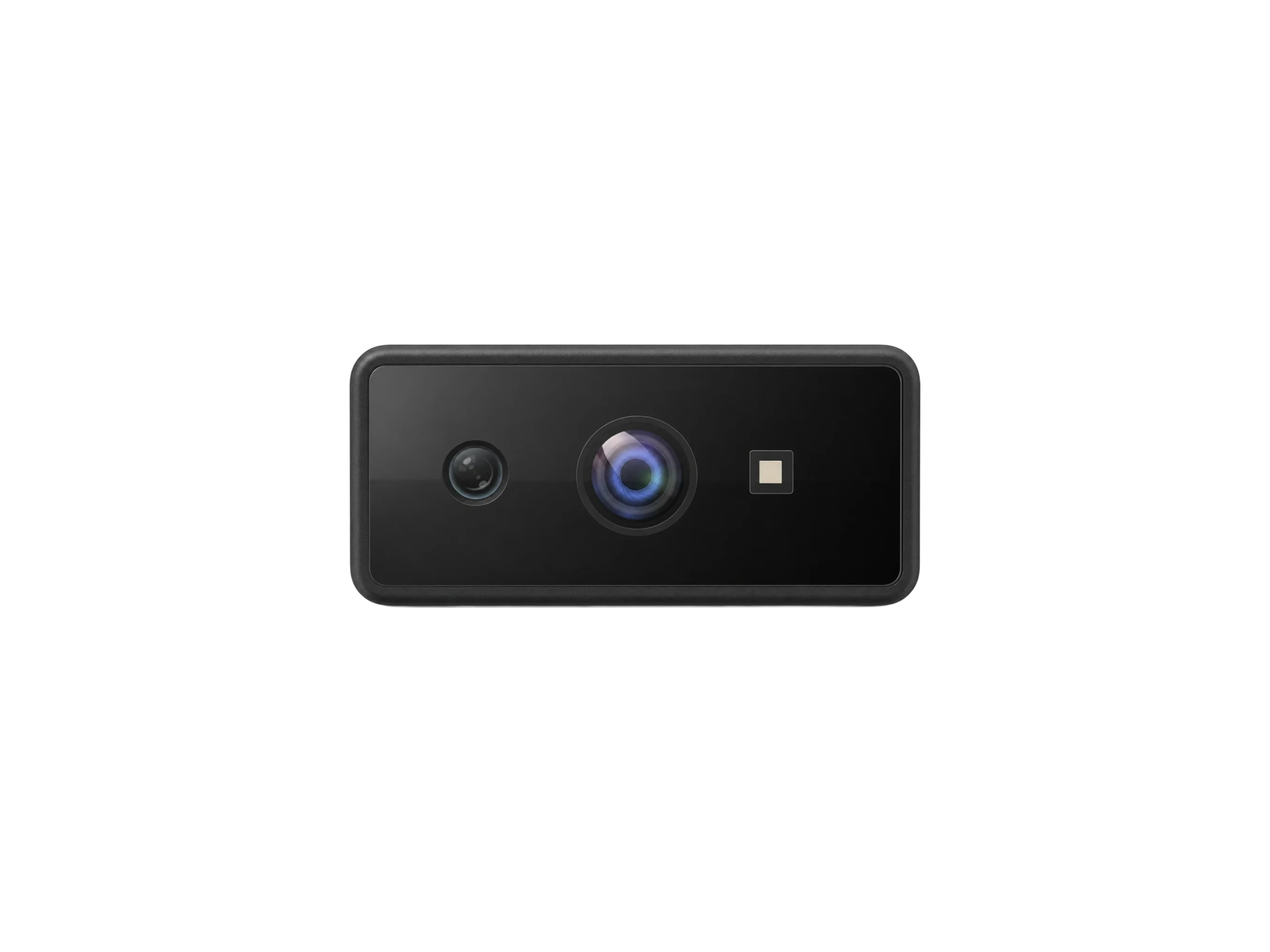
The optical face. Emitter and receiver spacing is fixed, so the calibration holds across units.
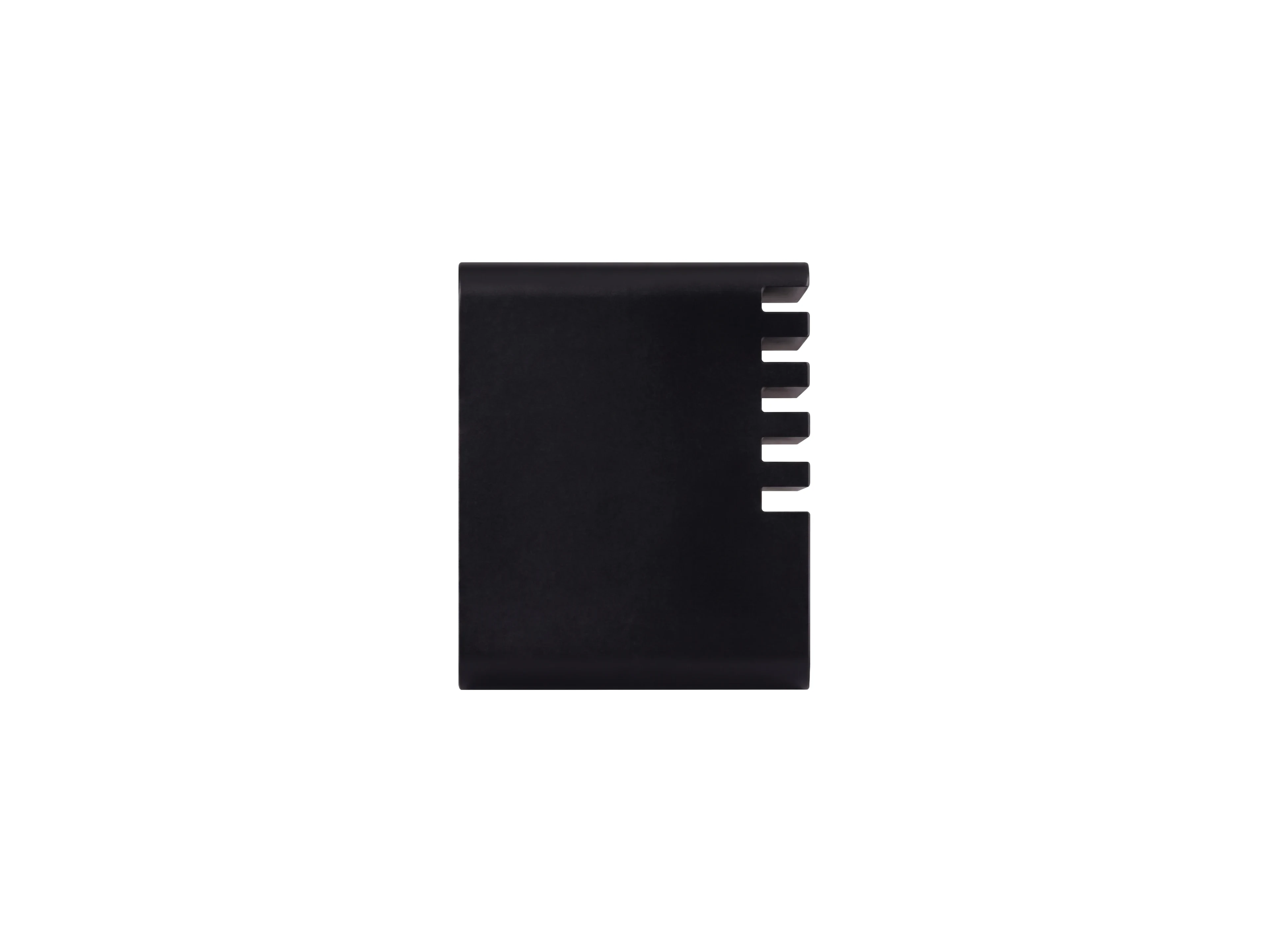
Depth of the body carries the edge compute and the I/O exit — one cable, one mount.
Specifications
| 3D depth | ToF · VCSEL 940 nm · 0.2–20 m · ±0.5% |
|---|---|
| 2D imaging | RGB + IR · 5 MP–8K · 45–155° diagonal FoV |
| Frame rate | 30–60 FPS |
| Edge compute | Runs across edge SoCs · 10–100 TOPS · 10–20 ms on-device |
| Interfaces — HW | USB-C Ethernet SerDes HDMI/DP |
| Interfaces — SW | ROS 2 · REST/SDK API |
| Delivered as | Sensor + edge AI + I/O on one calibrated platform · Ruggedized field housing · factory-calibrated |
Downloads
Datasheet, mechanical drawing, and SDK guide ship with the production revision. Ask us for the current draft.